How to Choose an Executive Coach in Charlotte: Eight Questions to Ask First
The short answerTo choose an executive coach in Charlotte, look for relevant credentials, experience with leaders at your level, a method the coach can explain plainly, and real chemistry in a first conversation. Ask how progress will be measured, how confidentiality works, and what happens if it isn't a fit. Then decide whether you want to meet in person, virtually, or both.
Choosing a coach is a bigger decision than it looks. You're picking the person you'll be most candid with about your work for months. The right coach accelerates you. The wrong one costs time you don't have.
Why the choice matters
Coaching is not a licensed profession in the United States, which means anyone can call themselves an executive coach. The field is also crowded. The International Coaching Federation's 2025 Global Coaching Study, conducted by PwC, counted a record 122,974 coach practitioners worldwide.
That makes your own due diligence the main quality check. The eight questions below separate coaches who can help you from coaches who simply have a good website.
Eight questions to ask an executive coach
1. What credentials do you hold?
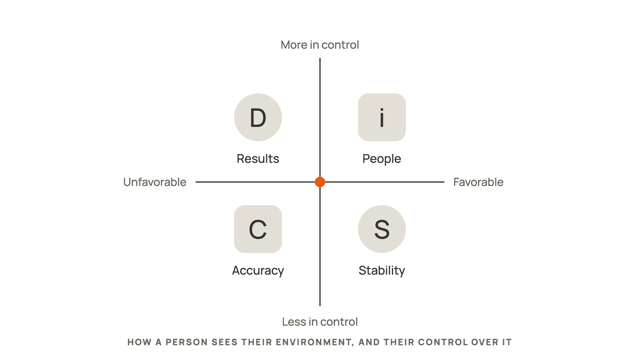
Look for accredited coach training and recognized credentials, such as the International Coaching Federation's ACC, PCC, and MCC levels, along with certifications in any assessments the coach uses, like DISC. Credentials don't guarantee fit. They do show that a coach invested in real training and accepted an ethics code.
2. Who have you worked with?
Ask about leaders at your level, in companies at your stage, facing problems like yours. A coach who mostly works with first-time managers may not be the right partner for a founder navigating a growth stage, and the reverse is just as true.
3. How do you work?
A good coach can explain their approach in plain language: how sessions run, what tools they use, and how they decide what to focus on. If the answer is vague, the coaching probably will be too.
4. How will we measure progress?
Agree up front on what will be different, and how you'll both know. The best measures are often behavioral: decisions you're making faster, conversations you're no longer avoiding, feedback from the people around you.
5. How does confidentiality work?
This matters most when your company is paying. Ask exactly what, if anything, gets reported to your employer. Many coaches use a three-way agreement that sets shared goals with the sponsor while keeping session content between coach and client.
6. What does an engagement look like?
Ask about length, session frequency, and what support exists between sessions. Behavior change takes repetition in real situations, so most meaningful engagements run several months or longer.
7. In person, virtual, or both?
Decide what you need, then ask what the coach offers. Some leaders want the focus of meeting face to face, especially for a kickoff or a hard conversation. Others value the consistency of video sessions that fit around a travel schedule. Many choose a mix.
8. What happens if it isn't working?
A confident coach will have a clear answer, including how to pause, change course, or end the engagement. Be wary of anyone who can't imagine it not working.
Red flags
Walk away, or at least slow down, if a coach:
- Guarantees specific results, like a promotion or a revenue number
- Can't describe a clear method
- Talks more than they listen in the first conversation
- Pushes a long contract before a chemistry call
- Can't say how either of you would know it's working
- Treats an assessment report as the answer rather than the start of a conversation
Executive coaching in Charlotte: in person or virtual?
Charlotte's business community runs from global financial firms to fast-growing, founder-led companies across the region, and the right coaching format depends on how you work. In-person sessions help when the work is relational and the conversations are hard. Virtual sessions help when consistency matters more than proximity. A Charlotte-based coach gives you both options close to home, plus an understanding of the market your company competes in. And if your team is somewhere else, the right coach will come to you.
Where Meaning + Method fits
Meaning + Method is based in Charlotte and works with founders, executives, and senior leaders wherever they are: in person around Charlotte, virtually anywhere, and on site with clients in other cities when an engagement calls for it. Our founder, Jason Neman, holds an ICA-accredited DISC Coaching Certification in executive coaching and team leadership, and brings more than 30 years of experience in branding, creative direction, and marketing leadership.
If you're comparing coaches, start with a conversation. It's the fastest way to learn whether there's a fit, and if there isn't, we'll tell you.
Frequently asked questions
How much does an executive coach cost in Charlotte?
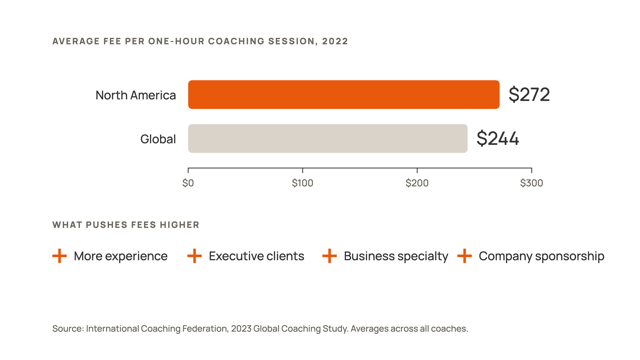
Executive coaching rates in Charlotte vary widely with the coach's experience, the format, and the length of the engagement. Many coaches price by engagement or monthly retainer rather than by the hour. Ask for the full structure, including session count and support between sessions, not just a rate.
What's the difference between an executive coach and a leadership coach?
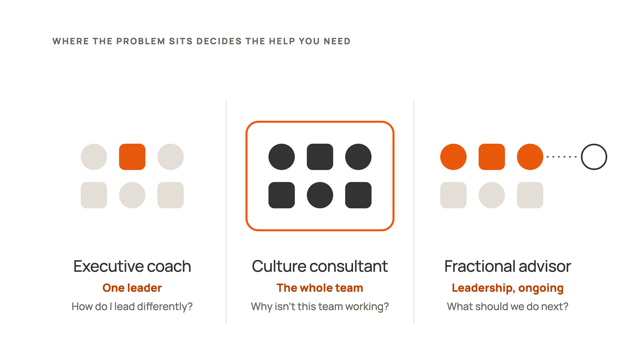
The terms overlap heavily. Executive coaching usually refers to work with senior leaders and founders on high-stakes decisions and enterprise-level leadership. Leadership coaching can include managers at any level. What matters most is whether the coach has worked with leaders facing problems like yours.
Do I need an ICF-certified coach?
ICF certification isn't required by law, and some excellent coaches hold other credentials. It is a useful signal, because it shows accredited training, logged coaching experience, mentor coaching, and a commitment to a published ethics code. Weigh credentials alongside experience and fit.
Should my company pay for my executive coaching?
Many companies sponsor coaching for senior leaders, especially during promotions, transitions, or growth stages. If your company pays, agree in writing on what stays confidential and what, if anything, gets shared with your employer before the first session.
Sources
- International Coaching Federation. (2025, September 15). 2025 ICF Global Coaching Study: Executive Summary. Conducted by PwC. coachingfederation.org
- International Coaching Federation. ICF Credentials: ACC, PCC, and MCC. coachingfederation.org